Portrait of a Private Figure
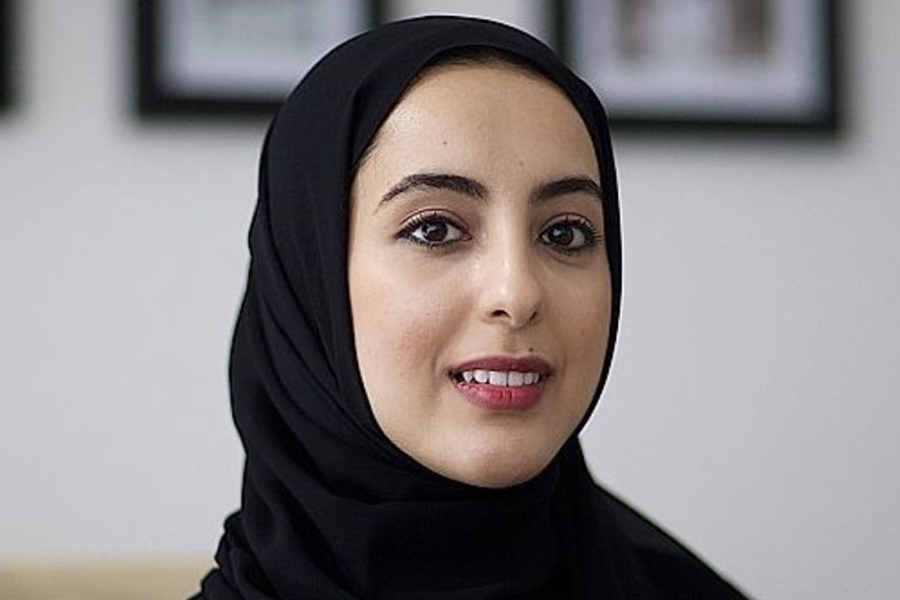
Sheikha Shamsa Bint Suhail Al Mazrouei occupies a distinctive place at the intersection of power and privacy. By marriage she belongs to one of the most consequential ruling families of the Gulf; in practice she is a figure who has chosen, or inherited, a cloak of discretion. Her public record is concise: a name, family ties, and a handful of verifiable dates and numbers. What is not written fills the gaps with silence—an absence that reads like an intentional margin, a deliberate white space in an otherwise busy manuscript.
Basic Information
| Field | Detail |
|---|---|
| Full name | Shamsa Bint Suhail Al Mazrouei |
| Father | Suhail Al Mazrouei |
| Spouse | Khalifa bin Zayed Al Nahyan |
| Reported marriage date | 18 October 1964 (approx.) |
| Children | 8 (2 sons, 6 daughters) |
| Known children (selected) | Sultan bin Khalifa; Mohammed bin Khalifa; Sheikha Sheikha; Sheikha Mouza; Sheikha Osha; Sheikha Salama; Sheikha Shamma; Sheikha Latifa |
| Public role | Member of the Al Nahyan family; largely private |
| Notable dates (spouse) | Khalifa bin Zayed — President of the UAE from 3 November 2004 until his death on 13 May 2022 |
Family & Lineage
The Al Nahyan household is both a family and a state institution; it is a network in which personal and political lines run together. Shamsa’s marriage to Khalifa bin Zayed Al Nahyan made her part of the ruling house of Abu Dhabi and, by extension, intertwined her life with the governance of the United Arab Emirates. The couple is reported to have had eight children: two sons and six daughters. Numbers here matter: eight heirs, many branches, a web of names that stretch across decades.
Key family figures and counts:
- Children: 8 total (2 male, 6 female).
- Known son births start in the mid-1960s (for example, Sultan bin Khalifa is reported to have been born in 1965).
- Marriage: reported in the 1960s (18 October 1964 is commonly cited as an approximate anchor).
This is a family measured in generations and in milestones: marriages, births, titles. Each event is a coordinate on a map of lineage; each child is a node that links the private household to public responsibility.
Timeline
| Year / Date | Event |
|---|---|
| circa 1964 | Reported marriage of Shamsa to Khalifa bin Zayed Al Nahyan (18 October 1964 — approximate). |
| 1965 (approx.) | Birth of Sultan bin Khalifa (one of the elder children). |
| 3 November 2004 | Khalifa bin Zayed Al Nahyan assumes the presidency of the UAE. |
| 2014 | Period associated with Khalifa’s illness and reduced public activity. |
| 13 May 2022 | Death of Khalifa bin Zayed Al Nahyan. |
Timelines like this are sparse. They are scaffolding rather than portraiture. They give structure: dates, events, the blunt arithmetic of life.
Public Role, Visibility, and the Art of Absence
Shamsa’s public biography is not a tapestry of speeches, foundations, or corporate boards. Instead it reads as a study in restraint. Where many contemporary royal and political spouses cultivate visible philanthropic brands, public-facing projects, and social-media footprints, Shamsa’s presence in English-language public records is limited. This lack is not emptiness; it is carefully maintained privacy, like a garden behind high walls.
Two features define her public persona:
- Familial identity — she is most often described in relation to family roles: wife, mother, member of the Al Nahyan dynasty.
- Low visibility — details such as birth date, educational background, and independent professional achievements are not widely documented in accessible public sources.
In a political environment where lineage is power and discretion is currency, anonymity can be its own statement. Her life reads like a quiet instrument in a larger orchestra: not absent of sound, but present in the sustain beneath the melody.
Household, Descendants, and the Next Generation
With eight children, the household extends across a generation and beyond. Children occupy different public horizons: some engage in public duties, others maintain private profiles. At least two sons—Sultan and Mohammed—bear names tied to governance and continuity; daughters carry roles that, while less visible internationally, are central to the dynastic structure of the family.
Numbers again:
- 8 children = multiple households, marriages, and alliances.
- 2 sons = traditional male heirs with public-facing roles in some instances.
- 6 daughters = dynastic links often maintained through marriage and patronage.
The family’s internal dynamics are likely complex, as any large household’s are. But publicly, it presents as a lattice of relationships that narrate continuity: name follows name, title follows title, the family’s story continuing in increments of births and ceremonial moments.
Public Records, Media Mentions, and Notable Gaps
There are concrete entries in the public ledger—marriage dates cited as approximate, children’s names cataloged, the death of Khalifa recorded on 13 May 2022—but many personal details are not. That absence is itself telling: in regions where royal households often prefer privacy, not every life is parsed by press release. Some particulars exist more as family memory than as public fact.
The gaps are specific:
- No widely published birth date for Shamsa.
- Limited information about education, career, or independent philanthropic leadership.
- Few or no verified public social-media accounts attributed to her.
Think of the public record as a desert plain with well-marked oases: family relations and headline dates are irrigated; personal biography remains parched and discreet.
A Vivid Silent Thread
Shamsa Bint Suhail Al Mazrouei’s public narrative is a lesson in how power can wear the veil of privacy. Her name marks a node in a ruling dynasty: eight children, one marriage that spans decades, connections that map onto the UAE’s modern history. Facts—dates and numbers—outline that life clearly enough to anchor understanding. The rest is inference: a life lived largely out of the spotlight, present in the register of a family that shapes a nation, and quiet as the desert night that surrounds a city of light.