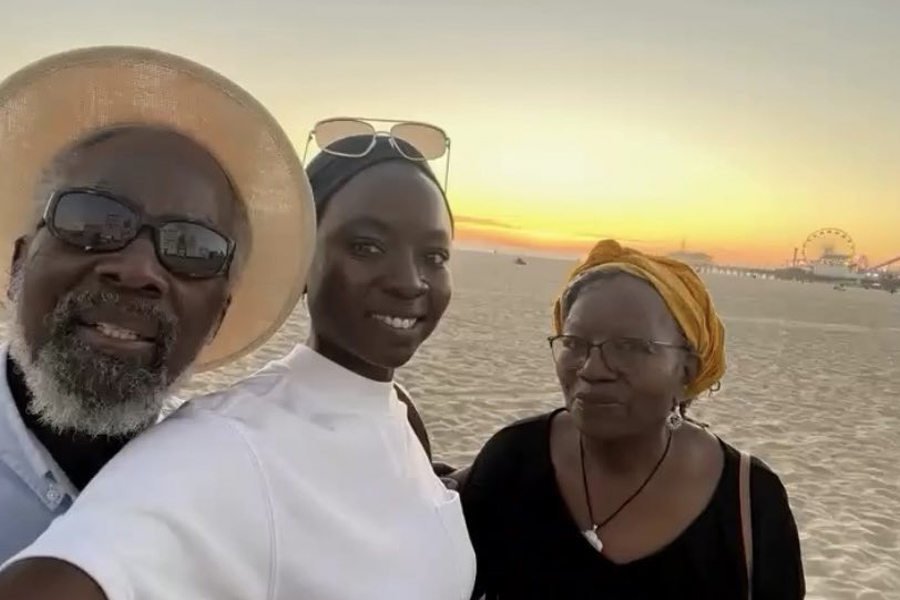
Basic Information
| Field | Detail |
|---|---|
| Full name | Roger Gurira |
| Birthplace | Southern Rhodesia (now Zimbabwe) |
| Migration to USA | 1964 |
| Occupation | Chemistry professor / academic educator |
| Primary institutions | Grinnell College; University of Zimbabwe; University of Wisconsin–Platteville |
| Tenure highlights | Grinnell College (1973–1983); University of Zimbabwe (1983–2008); UW–Platteville (adjunct, ~2008–2018) |
| Spouse | Josephine Gurira |
| Children | 4 (including Danai Gurira, born 14 February 1978) |
| Scholarship legacy | Gurira Family Scholarship (Grinnell College) |
| Public profile | Low; mostly visible through family narratives |
Early Life and Migration
Born in the colonial landscape of Southern Rhodesia, Roger Gurira’s earliest years unfolded against the slow drumbeat of political change. Exact dates of birth and early schooling are not part of the public record; what is known moves in broad, decisive strokes. In 1964 Roger and his wife Josephine left for the United States, a migration that reads like a deliberate chapter break: leaving one continent for another to pursue higher education and professional opportunity during an era of uncertainty at home.
The move in 1964 is a hinge point. It set the family’s geographic rhythm — Iowa, then Zimbabwe, then the American Midwest again — and established a pattern in which academic appointments and family life were braided together. Roger’s life exemplifies the quiet migrations of a generation that carried expertise across borders and built institutions in new places.
Academic Career: Classrooms Across Two Continents
Roger Gurira’s career spans more than four decades of chemistry instruction. He appears repeatedly as a figure defined by classrooms and students rather than by public accolades or media attention. His professional arc contains three main segments, each with concrete dates and a clear role.
| Institution | Position | Years |
|---|---|---|
| Grinnell College (Iowa) | Tenured chemistry professor | 1973 – 1983 |
| University of Zimbabwe (Harare) | Chemistry professor | 1983 – 2008 (approx. 25 years) |
| University of Wisconsin–Platteville | Adjunct professor (chemistry) | ~2008 – ~2018 (approx. 10 years) |
At Grinnell College, from 1973 to 1983, Roger taught core chemistry courses and participated in undergraduate education at a liberal arts institution. In 1983 he and his family returned to Zimbabwe, aligning their move with national independence and a personal desire to reconnect with heritage. The subsequent 25 years he spent at the University of Zimbabwe suggest long-term commitment: curriculum design, student mentorship, and navigating the constraints and possibilities of a post-colonial university system.
The final phase of the documented career — roughly a decade at the University of Wisconsin–Platteville as an adjunct — reads like a quieter coda: part-time teaching, community engagement, and connection to higher education in the American Midwest once more. Across these three periods, the texture of Roger’s work is consistent: steady classroom presence, an emphasis on teaching over publicity, and a professional life closely tied to family and institutional service.
Family Portrait
Family forms the clearest public frame for Roger’s life. The Guriras are a tightly knit quartet of siblings and two parents whose careers in higher education established a household where learning mattered.
| Family Member | Role / Profession | Notes |
|---|---|---|
| Josephine Gurira | Librarian | Worked at Grinnell College library and later at UW–Platteville; nearly 50 years in librarianship |
| Shingai Gurira | Dentist | One of the older siblings; professional life kept largely private |
| Chiwoniso (Choni) Gurira | Lawyer | Maintains privacy; professional path in law |
| Tare Gurira | Chiropractor | Healthcare professional focusing on wellness |
| Danai Gurira | Actress / playwright / producer | Born 14 February 1978 (Grinnell, Iowa); public figure known for major acting and writing work |
Roger and Josephine’s marriage and careers created a household where education was not a slogan but a daily practice. Four children pursued advanced professional paths — dentist, lawyer, chiropractor, and a noted artist and playwright — reflecting that emphasis. Danai, born on 14 February 1978 in Grinnell, Iowa, is the most publicly visible child, but the family’s narrative is not a spotlight centered on a single life. Instead, it resembles a constellation: several lives arranged around shared values, each bright in its own sphere.
There are intimate details worth noting: family relocations coincided with major political events; children spent formative years in Zimbabwe after the family’s return in 1983; cultural fluency and multilingualism were household assets. The parents’ professions — chemistry and librarianship — complement each other: one teaches the logic of matter and measurement; the other curates knowledge and access to it.
Timeline: Key Dates and Numbers
| Year | Event |
|---|---|
| 1964 | Roger and Josephine migrate to the United States. |
| 1973 | Roger begins tenure at Grinnell College. |
| 1978 | Danai Gurira is born (14 February) in Grinnell, Iowa. |
| 1983 | Family moves to Harare, Zimbabwe; Roger starts at University of Zimbabwe. |
| 1983–2008 | Approx. 25 years teaching at University of Zimbabwe. |
| ~2008–~2018 | Adjunct teaching at University of Wisconsin–Platteville (approx. 10 years). |
| 2020 | Public Father’s Day tribute from Danai; Josephine honored with an Outstanding Woman of Color Award. |
| 2025 | Sparse family mentions on social platforms; no major independent news items for Roger. |
Numbers matter here because they sketch continuity. Four decades plus of teaching. Three institutions over a professional lifetime. One scholarship in the family’s name at a midwestern college. Four children whose professions cluster around care and precision.
Legacy and Recent Activity
Roger’s legacy is the kind that does not court headlines. It is embedded in classrooms, in curricula, and in a scholarship that carries the family name forward to support African students. The Gurira Family Scholarship reflects an outcome of a career: tangible financial support tied to the value system the family embodies — education, mobility, opportunity.
Recent public traces of Roger are sparse and domestic. Mentions in the 2020s surface primarily through family postings and through the public career of a child. There are no documented controversies, no sensational claims, and very little in the way of personal publicity. That privacy is itself a kind of statement: an intentional retreat from media glare in favor of ordinary responsibilities and intergenerational commitments.
Like a steady heartbeat beneath louder rhythms, Roger’s life appears to have supported others’ rises while remaining steady, measured, and dedicated.