Early life and family roots
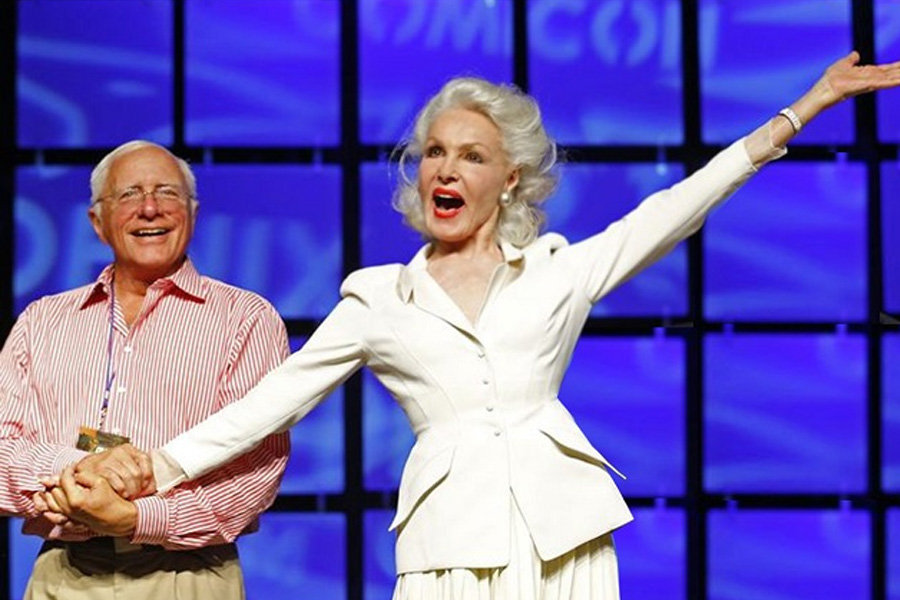
I have always thought of John Newmeyer as someone who stands at the intersection of public service and quiet craftsmanship. He grew up in a family that was both public-facing and private at once. His father, Don Newmeyer, made his name in athletics and education in the early 20th century. His mother, Helen Newmeyer, kept the family grounded and practical. Julie Newmar, born in 1933, is Johns older sister and a public figure whose career in the arts cast a long family shadow. Peter Bruce Newmeyer, born in 1935, was a younger brother who died in 1962 in a skiing accident, an event that left a mark on the family history.
Those family ties matter. They shape a lifetime of choices. They explain a certain blend of showmanship and restraint in John: bold enough to found programs and plant vines, reserved enough to prefer small-batch wine over mass spectacle. I see him as an archivist of family memory as well as an active agent in public life.
Public health career and activism
Johns public health work reads like a ledger of practical compassion. After completing his doctoral work around 1970 he turned to community-based medicine. He became associated with the Haight-Ashbury Free Clinic in San Francisco, where his efforts concentrated on harm reduction and epidemiology. In the early 1980s he helped design and run needle-exchange and bleach distribution programs targeted at reducing bloodborne infections among people who inject drugs.
Numbers matter here. The 1980s were a span of years when single programs could prevent hundreds or thousands of infections. I have pictured those meetings in my mind: whiteboards filled with figures, volunteers learning simple techniques that saved lives, and John pushing for policies that accepted people where they were rather than insisting on perfect behavior. That pragmatic streak defined much of his public health legacy.
Winemaking, Wild Horse Valley, and business
John and associates bought a ranch in Napa’s Wild Horse Valley in 1978. In the beginning, they planted vines, distributing them over what different sources estimate to be between 11 and 24 acres. According to Napa norms, this was small-scale. It has consequences as well. The Wild Horse Valley American Viticultural Area, which was officially recognized in 1988, was shaped in part by the vineyard operations.
I see the vineyard as a terroir laboratory. The soil profiles, slopes, and fog were all variables that needed to be measured and taken into consideration. The production remained boutique. For many years, typical vintages were produced in the low hundreds to a few hundred cases. The operation remained artisanal due to its magnitude. Additionally, it enabled John to blend two vocations: patient stewardship as a winery and meticulous observation as a scientist.
Authorship and public voice
John is also a writer. He published a book titled Mother of All Gateway Drugs in 2007. Later works include imaginative collections such as The Mediterranean Universe: Imagining Feline Civilization in the 2010s. His essays and letters to periodicals appeared intermittently over decades. I read his prose as part-argument and part-memoir: crisp observations, occasional flights into metaphor, and the undercurrent of someone who has watched institutions change over half a century.
He did not write to be famous. He wrote to be precise. In his pages you find policy thinking, family recollections, and a curiosity about cultural paradoxes. The mix is unusual, but it rings true when you know the rest of his life.
Personal relationships and community life
John has a wider family beyond just genetic ties. Sister Julie Newmar has acknowledged family ties in introductions and tributes while continuing to be publicly engaged. Family notes list John Jewl Smith as a next-generation relative. Friends and partners include people from the wine industry and civic activity, including vintners like David Mahaffey and activists like Cleve Jones. These connections show two worlds he inhabits with ease: the calm, year-by-year rhythm of vineyard life and the very political neighborhoods of San Francisco.
I should take note of John’s involvement in neighborhood activities. He has participated in Pride Month celebrations, fundraisers, and civic events. He is the kind of person that shows up and offers his time and name. More important than any headline is that consistent presence.
Timeline of key dates and events
| Year | Event |
|---|---|
| 1933 | Julie Newmar born |
| 1935 | Peter Bruce Newmeyer born |
| 1962 | Peter Bruce Newmeyer dies in a skiing accident |
| 1970 | John completes doctoral work around this year |
| 1978 | Ranch purchase and vineyard plantings in Wild Horse Valley begin |
| 1982 | John runs as a candidate in a California congressional race |
| 1980s | Active in Haight-Ashbury harm reduction programs including needle exchange |
| 1988 | Wild Horse Valley AVA recognized |
| 2007 | Publication of Mother of All Gateway Drugs |
| 2010s | Publication of The Mediterranean Universe and other essays |
| 2019 | Public appearances in civic protests and neighborhood advocacy |
| 2024 | Continued community recognition and involvement |
Each date is a point on an axis I watch with curiosity. Together they form a life that moves between decades without losing continuity.
Family table
| Name | Relation | Notable detail |
|---|---|---|
| Don Newmeyer | Father | Athlete and educator |
| Helen Newmeyer | Mother | Family anchor |
| Julie Newmar | Sister | Born 1933, actress |
| Peter Bruce Newmeyer | Brother | Born 1935, died 1962 |
| John Jewl Smith | Nephew or next generation relative | Associated with family in public records |
You can read that table like a map of inheritance: names, dates, roles. It helps me see how John fits into both lineage and choice.
FAQ
Who are John Newmeyers closest family members?
Johns immediate family includes his father Don, his mother Helen, his sister Julie Newmar, and his brother Peter Bruce Newmeyer. There are younger relatives such as John Jewl Smith who appear in family records. I think of this roster as a small constellation that guided many of Johns decisions.
What are Johns main career achievements?
Johns achievements span public health, viticulture, and writing. He helped build harm reduction programs in San Francisco in the 1980s. He co-founded vineyard plantings in Wild Horse Valley from 1978 onward and participated in the drive that led to AVA recognition in 1988. He authored books and essays across the 2000s and 2010s.
Is John a winemaker or an epidemiologist first?
Both, in my view. He trained as a researcher and practiced epidemiology in community settings. He later turned his attention to vines and small-scale winemaking. The two careers complement each other: science by day and patient observation in the vineyard season by season.
What scale is his wine production?
Production has remained boutique. Typical vintage outputs were in the hundreds of cases rather than thousands. Vineyard acreage is reported in accounts as between roughly 11 and 24 planted acres in different periods. Those numbers describe a focused, artisanal operation.
Has John been involved in politics or activism?
Yes. He ran in a California congressional race in 1982 and has been active in civic causes since. In San Francisco he helped organize and host community events and supported LGBTQ causes. His activism is practical and local. It is the kind of activism that changes everyday lives rather than searching for headlines.