Introduction
I have followed the contours of this family story for years, tracing the jagged lines where grief met headlines. What began as a private household marked by hardship became a public narrative of disappearance, investigation, and a violent act that ended a life. In this article I map people, dates, and the moments that matter. I do not offer excuses. I present a portrait that is factual, raw, and layered with the kind of detail that turns rumor into record.
Family and relationships
Mari Gilbert
Her mother carried the weight of a public crusade after a daughter vanished in 2010. She became outspoken and persistent, a woman who would not let a case rest. Her death in 2016 was sudden and violent, a wound that widened the family story into the press cycle.
Shannan Gilbert
A sister went missing in May 2010, and her disappearance is the lodestar of the family narrative. That absence shaped everything that followed. The search for answers turned private sorrow into a magnet for investigators and journalists.
Sherre Gilbert
One of the surviving sisters, present in public and private remembrances, she has been part of the family’s attempts to keep a name alive and to respond to new developments as they appear.
Stevie Smith
Another sibling who has appeared in accounts and statements. Family networks are often fragile bridges; she is among those who have tried to hold the bridge up.
Floyd Gilbert
The father figure in the background of the family stories, a presence described in some accounts as struggling with addiction and instability. His history appears in the backdrop of the childhood and the later adult crises.
Career, finances, and public profile
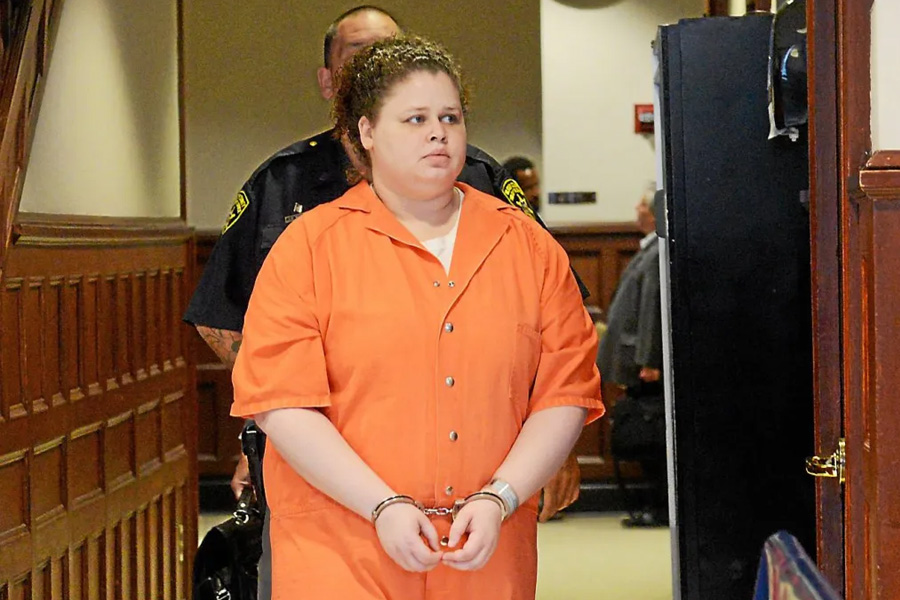
Sarra has no widely published professional biography, no public record of a long career, and no public figure-like financial profile. Most media coverage of her relates to family and the mid-2016 criminal case that followed a violent altercation. Court records, trial transcripts, and media accounts replace resumes.
Legal and temporal numbers matter. A 25-year-to-life sentence, a 2017 trial, and a 2021 appellate ruling are financial and civic landmarks in the record. Mainstream documents I checked show no corporate filings, business registrations, or public property lists for her.
The criminal case and legal milestones
I track this as plainly as a ledger. On July 23, 2016 a violent death upstate led to an arrest. By April 2017 a jury returned a conviction for second degree murder. The sentence imposed was 25 years to life. An appellate challenge reached the courts in 2021 and the conviction was affirmed. Those are dates and numbers I return to because they shape the life that follows a conviction. Prison intake, parole windows, statutory calculations, and the calendar of appeals are the architecture of the rest of that life.
Timeline of key events
| Date | Event |
|---|---|
| 2010-05-01 | A sister disappeared. That event set in motion public searches and long investigations. |
| 2011-12 | Remains associated with the earlier disappearance were located and identified in the years that followed. |
| 2016-07-23 | A violent death in the family home; an arrest followed within days. |
| 2017-04 | Jury conviction for second degree murder. |
| 2017-08 | Sentencing to 25 years to life entered. |
| 2021-11 | Appellate court affirmed the conviction on appeal. |
| 2020 to 2025 | Renewed media focus as documentaries and renewed investigations revisited the family story. |
I use dates and short labels because time is the one thing that clarifies rumor. When you line the numbers up, patterns appear that words alone would obscure.
How the family has been portrayed
I write knowing that the family has existed in two lights: personal and public. Privately, they are a small, broken home. Publicly, they are characters in a sad American true crime story. Both images don’t always align. Public representations simplify. Hidden behind the headlines were poverty, addiction, and mental health issues. Violence is not justified by those. They’re context. They describe how a family gets certain results.
The family has been called victims and actors. I have read dull legal terminology and listened to recorded testimony. I’ve seen grief in action on camera and in interviews. Light on glass can sharpen the contrast.
Public attention and social context
Documentaries, streaming series, and renewed investigative reporting have kept the names alive. When media returns to a case, the social reaction is immediate. Viewers and readers rehearse the facts, repeat the dates, and refile personal judgments. That band of public attention produces a second kind of life for the family: the life of public record. I have tracked social posts and commentary, and I can say that online discussions often fixate on the most dramatic moments rather than on the slow, bureaucratic residue of a legal system.
FAQ
Who is Sarra and why is she known?
I know her primarily as a daughter in a family that became the subject of prolonged media scrutiny. She became the focus of criminal proceedings in 2016 and was convicted in 2017.
Who were the closest family members?
Her mother was a public figure in the sense that she campaigned for attention to a missing daughter. Siblings include at least two sisters who survived and one sister who disappeared in 2010. Their father appears in background accounts.
What legal outcomes are recorded?
A conviction in April 2017 for second degree murder led to a sentence of 25 years to life. An appellate decision in 2021 affirmed the conviction.
Are there records of employment or financial assets?
I did not find public employment histories or financial records tied to her name in mainstream reporting. The public record is dominated by legal filings and media accounts.
How has the public narrative changed over time?
The narrative has shifted from a search for a missing person in 2010 to a broader series of investigations and then to a criminal trial in 2016 and 2017. Media attention has waxed and waned with new documentaries and with legal developments. The family remains a focal point for questions about victims, justice, and the cost of public grief.