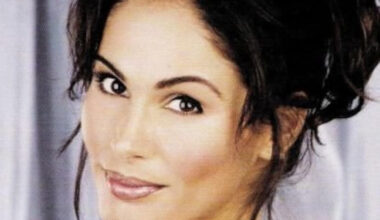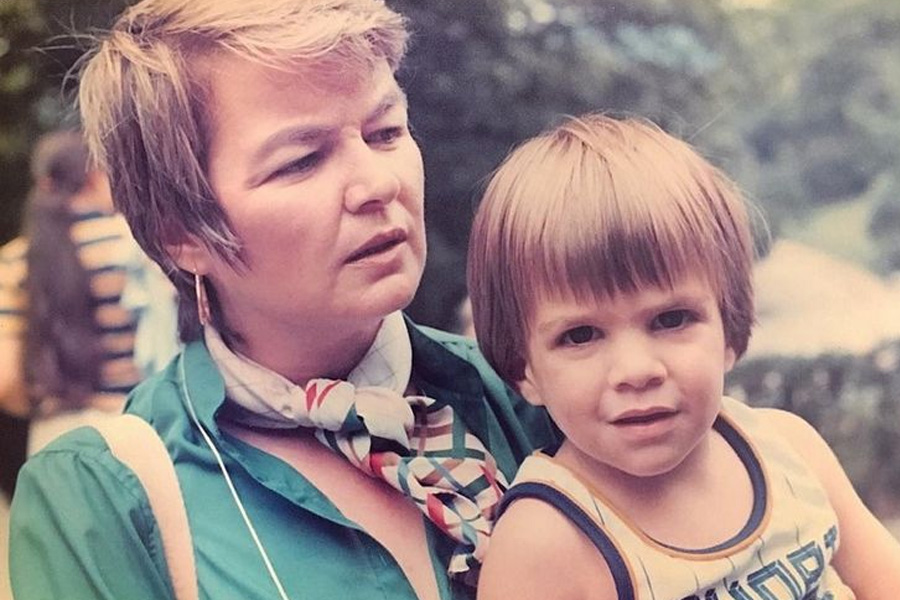
A compact portrait
Margaret J. “Margo” Quinto lived a life that read small in print but cast a long shadow in practice. Born June 19, 1940, she navigated mid-century America as a daughter of a political family, a wife and later a single parent, and a municipal-office employee whose work was routine but steady. She died February 22, 2021, after a long illness, leaving behind two sons, a wider family with civic roots, and a private record of loyalty and steadiness. Her story is less about headlines and more about scaffolding — the unseen support that lets others climb.
| Field | Details |
|---|---|
| Full name | Margaret J. “Margo” Quinto (née McArdle) |
| Birth | June 19, 1940 |
| Death | February 22, 2021 |
| Last residence | Twinsburg, Ohio (formerly Pittsburgh, Pennsylvania) |
| Spouse | Joseph John “Joe” Quinto (deceased) |
| Children | Joseph M. Quinto; Zachary J. Quinto (b. June 2, 1977) |
| Parents | Joseph A. McArdle (1903–1967); Margaret J. (née Corrigan) McArdle |
| Occupation | Worked at an investment firm; later worked at a magistrate’s office |
| Funeral / Mass | Mass held February 26, 2021; memorial donations requested to Alzheimer’s Association |
Early life and the weight of a name
To hear the surname McArdle in Pittsburgh is to hear the city’s civic echo. Margo was born into a family with public service running through its veins: her father served in elected office and her grandfather was a well-known labor and civic figure. Those facts anchor the family in a specific civic geography — city halls, union meetings, campaign posters. For Margo, that heritage provided context more than career; she did not seek the podium. Instead, she carried the steadiness of public duty into private life.
She grew up in the mid-20th century, a moment when expectations were narrow and obligations wide. The dates themselves sketch a rhythm: 1940 for birth; the post-war years for adolescence; marriage and motherhood in the later decades of the twentieth century. Numbers map a life that moved with the common tides of her generation.
Marriage, motherhood, and loss
Margo married Joseph John “Joe” Quinto and became mother to two sons. The family household was small but full. In 1977, her younger son Zachary was born (June 2). When Zachary was seven years old, the family suffered a blow: his father died of cancer. That means around 1984 the family shifted — income sources tightened, routines recalibrated, grief became a daily presence.
A shorthand for resilience is often dry; in Margo’s case it was lived rather than announced. She continued to work — first in the private sphere at an investment firm, and later in a magistrate’s office. She raised two sons through ordinary days and practical obligations. The arithmetic of life mattered: bills, appointments, school events, a funeral here, a doctor’s visit there. Those small, repetitive equations are the ones that shape character.
Career and daily life
Margo’s professional life, by all public accounts, was unglamorous but dependable. Two sectors: finance (investment firm) and public administration (magistrate’s office). Those workplaces tell us something: one world of numbers and clients; another of rules, procedures, and civic service. She moved between private finance and civic bureaucracy. Each job required a steady hand.
There are no public accolades, and no lists of awards tied to her name. That absence is not a silence of insignificance. It is the silence of a life lived away from the microphone. If achievement is sometimes loud, service can be quiet. Margo’s work was a hinge — small, necessary, and often unseen.
The Quinto–McArdle family in numbers
| Person | Relation | Birth–Death (where known) | Notable detail |
|---|---|---|---|
| Joseph A. McArdle | Maternal father | 1903–1967 | Elected official, part of the family’s civic legacy |
| Peter J. McArdle | Maternal grandfather | (dates vary) | Labor activist; namesake of local roadway |
| Joseph John “Joe” Quinto | Husband | Deceased (c. 1984, estimated) | Barber; died when son Zachary was seven |
| Joseph M. Quinto | Son | — | Older son; survives Margo |
| Zachary J. Quinto | Son | b. June 2, 1977 | Actor and producer; public figure |
These rows compress generations into a ledger. The ledger shows continuity: labor politics in the maternal line; vocational craft in the paternal; an artistic arc in the next generation. A family can be a small museum where different artifacts — names, jobs, dates — sit side by side.
Timeline: key dates and milestones
| Year | Event |
|---|---|
| 1940 | Birth of Margaret J. McArdle (June 19). |
| 1903–1967 | Lifespan of Joseph A. McArdle (maternal father) — anchors earlier generation. |
| 1977 | Birth of son Zachary (June 2). |
| ~1984 | Death of Joseph John “Joe” Quinto (when Zachary was seven). |
| 2021 | Death of Margaret “Margo” Quinto (February 22). Mass held February 26. |
Small tables like this make time seem manageable. They act like mile markers on a long road — each date a resting place where the family paused, looked back, and moved forward.
Memory without the marquee
Margo’s legacy is neither a building named after her nor a policy bill that bears her signature. It is embedded in the people she raised, the steadiness of her household, and the civic background she carried. Her sons and extended family — siblings, parents, and grandparents — belong to different public registers: some to electoral rolls and civic memorials; others to private recollection. Margo bridged those worlds.
Think of a lamp in a hall. It does not call attention to itself. Yet when you walk into a room at night, the lamp’s absence is noticed first. Margo functioned like that lamp — a consistent light, a reliable presence. She threaded together the practical arithmetic of life and the deeper inheritance of family history.
Public memory and the archive of ordinary life
Her obituary recorded dates, survivors, and a request for donations in her memory to a health charity. That last item — a small logistic detail — says something about priorities, about what the family wanted remembered. In public terms, the Quinto name is now linked to artistic success through a well-known son. In private terms, it remains a braided rope of civic service, everyday labor, and family loyalty. The public record supplies names and dates. The life between those dates, where grief, patience, and household routine live, is the realm where Margo’s influence is most visible.
Portrait in fragments
The public portrait of Margaret “Margo” Quinto is a collage of fragments: birth and death dates; employment descriptors; family names and relationships. Put together, the fragments form a recognizable face. It is not a face seeking an audience. It is one that, quietly and insistently, shaped the contours of the family it held — a small, steady force, measured not in publicity but in persistence.